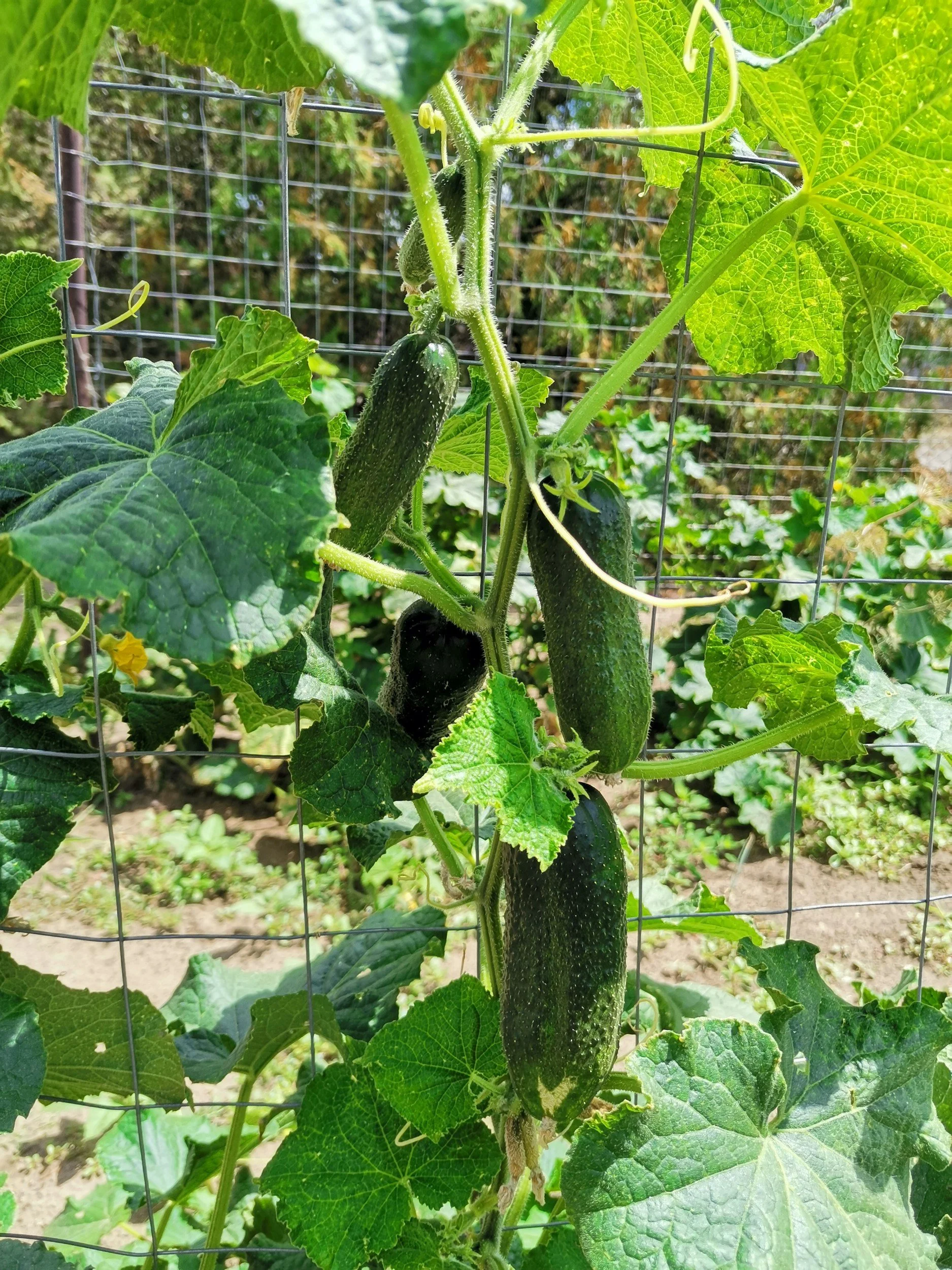
Regenerative Agriculture in Practice
Our farm operations are built on intentional soil management, crop diversity, and sustainable production systems that prioritize long-term land vitality over short-term yield.
OUR GROWING SYSTEMS
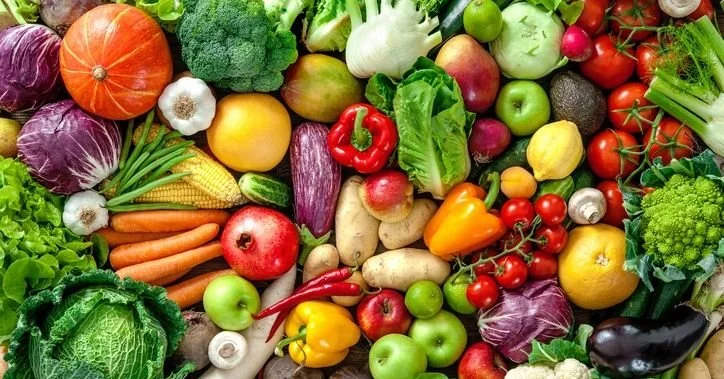
WHAT WE PRODUCE
Regenerative and organic-informed practices
Seasonal crop planning and rotation
Soil research and improvement strategies
Resource-efficient production methods
Each crop is cultivated with a focus on quality, nutrition, and environmental responsibility.
Vegetables
·
Fruits
·
Herbs
·
Specialty Crops
·
Value-Added Products
Vegetables · Fruits · Herbs · Specialty Crops · Value-Added Products
COMMUNITY FOOD SYSTEMS
Our production supports:
-

Farmers Markets
Providing fresh, locally grown produce directly to the community while supporting local food access and regional agriculture.
-

Community Partnerships
Collaborating with local organizations and initiatives to strengthen food access, education, and community health.
-

Direct-to-Consumer Access
Offering fresh products directly to households, creating a stronger connection between farmers and the communities they serve.
-

Value-Added Agricultural Products
Creating specialty products using fresh ingredients inspired by agriculture, helping extend the harvest season and support farm sustainability.
This integrated approach strengthens local food resilience while supporting small-scale agricultural sustainability.
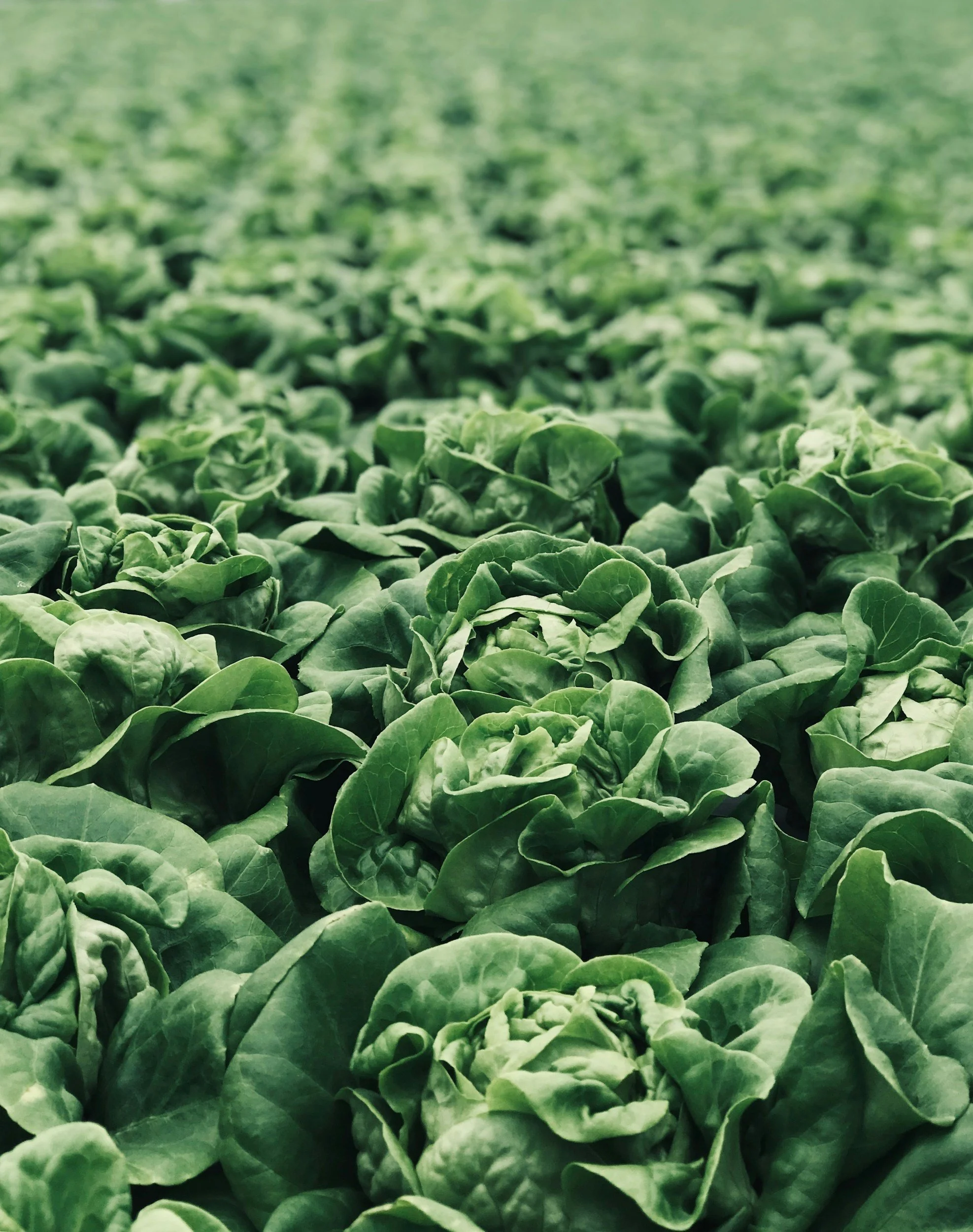
Research. Community. Real Impact
At Efinity Harvest, our work goes beyond growing food. It’s about growing knowledge, strengthening communities, and shaping the future of agriculture.
Through our participation in the From the Ground Up initiative, we contribute to research that centers the voices and experiences of farmers, especially those in community-based and historically underserved spaces. This work highlights what it takes to build sustainable farming practices from the ground level—where challenges, innovation, and resilience meet.
As featured in the story highlighting Cheryl Wheeler, this work reflects a powerful belief:
those closest to the work should help shape the solutions.
Our Work Supports:
Advancing community-driven agricultural research
Elevating BIPOC and urban farmer voices
Strengthening local food systems and sustainability practices
Creating pathways for future farmers and youth leaders
This is more than research, it’s a movement toward equity in agriculture, where lived experience informs innovation and community wisdom drives lasting change.
At Efinity Harvest, we are proud to be part of work that not only studies agriculture but helps transform it.
From the Ground Up
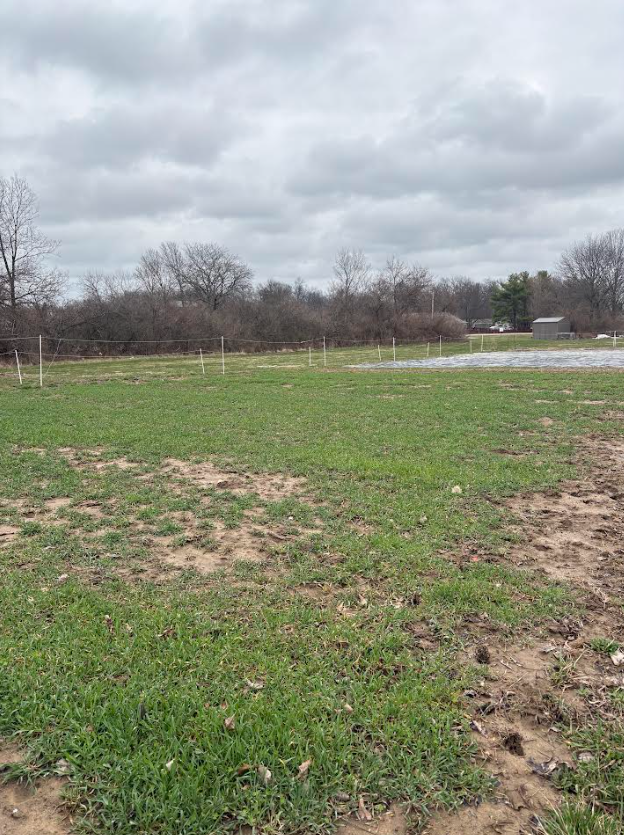
“The people doing the work every day hold the knowledge we need to move agriculture forward.”
This belief continues to guide how we grow, teach, and lead
ensuring agriculture remains accessible, community-centered, and forward-looking.
Cheryl Wheeler, co-owner